往期Archive · 2024
《苏北人在上海》:溯源被构建的族群记忆Subei People in Shanghai: Tracing a Constructed Ethnic Memory
Subei People in Shanghai: Tracing a Constructed Ethnic Memory《苏北人在上海》:溯源被构建的族群记忆
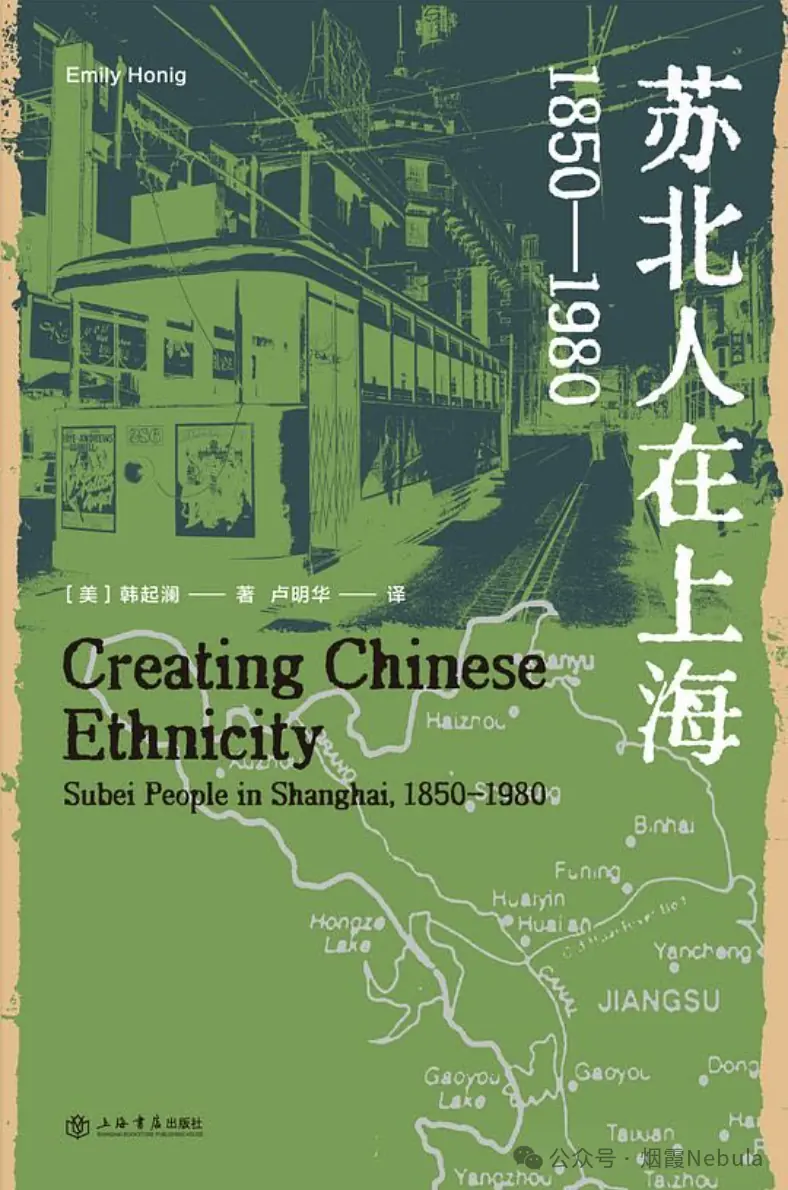
近来,“苏北人”作为一个热门梗悄然融入各类流行文化,让不少人重新注意到这个渐渐被遗忘的群体称谓,及其背后所承载的故事。在本次分享中,我们将从《苏北人在上海》这本书出发,聚焦“苏北人在上海”这一特殊群体,回溯一个世纪以来他们的族群记忆、文化寻根之旅,以及所历经的社会沧桑巨变。 从大运河的昔日荣衰,到近代上海的迅猛崛起;从经济文化差异引发的歧视,到城市怀抱中的融合蜕变。我们一同拆解“苏北人”这个被塑造出的概念,探究其蕴含的时代意义。这不仅是有关地域身份的思索,更是观察近代中国城市化进程里,人口流动、文化碰撞的一扇窗。 1. 苏北定义探寻:从地域版图、方言特色到文化认同维度,“苏北”究竟涵盖哪些?这个概念随着历史发展有哪些变化? 2. 为什么是“苏北”?这个地区的文化历史地理水文有何特别之处? 3. 在上海方言情境下,为何“苏北人”会成为带有偏见的称呼?为什么来自苏北的人只有在上海才会意识到自己是“苏北人”? 4. 从“毛毛船”的漂泊、“滚地龙”的艰辛到新村的安稳,苏北移民在上海的居住变迁折射出怎样的社会进阶之路? 5. 调侃之余,我们该如何正视、化解这一历史留存的族群认同课题?
Recently, "Subei people" has quietly made its way into all kinds of popular culture as a trending meme, leading many people to notice again this gradually forgotten group label and the stories behind it. In this session we will start from the book Creating Chinese Ethnicity: Subei People in Shanghai and focus on the distinctive group of Subei people in Shanghai, tracing their ethnic memory, their search for cultural roots, and the great social changes they have lived through over the past century. From the rise and fall of the Grand Canal to the rapid rise of modern Shanghai, from discrimination rooted in economic and cultural differences to integration and transformation in the embrace of the city, we will take apart the constructed concept of "Subei people" and explore what it meant for its times. This is not only a reflection on regional identity, but also a window onto migration and cultural collision in the urbanisation of modern China. 1. Defining Subei: in terms of territory, dialect and cultural identity, what exactly does "Subei" cover? How has the concept changed over time? 2. Why "Subei"? What is special about the region's culture, history, geography and waterways? 3. Why did "Subei people" become a prejudiced label in the context of the Shanghai dialect? Why do people from Subei only realise they are "Subei people" once they are in Shanghai? 4. From drifting on maomao boats and hardship in "rolling-dragon" straw huts to the stability of the workers' new villages, what path of social advancement is reflected in the changing homes of Subei migrants in Shanghai? 5. Beyond the jokes, how should we face and resolve this inherited question of group identity?
The notes below are in Chinese, as the talks are.
预告Announcement
《苏北人在上海》:溯源被构建的族群记忆
2025-01-07 Wendao
近来,“苏北人”作为一个热门梗悄然融入各类流行文化,让不少人重新注意到这个渐渐被遗忘的群体称谓,及其背后所承载的故事。在本次分享中,我们将从《苏北人在上海》这本书出发,聚焦“苏北人在上海”这一特殊群体,回溯一个世纪以来他们的族群记忆、文化寻根之旅,以及所历经的社会沧桑巨变。
从大运河的昔日荣衰,到近代上海的迅猛崛起;从经济文化差异引发的歧视,到城市怀抱中的融合蜕变。我们一同拆解“苏北人”这个被塑造出的概念,探究其蕴含的时代意义。这不仅是有关地域身份的思索,更是观察近代中国城市化进程里,人口流动、文化碰撞的一扇窗。
【引起兴趣的问题】
1. 苏北定义探寻:从地域版图、方言特色到文化认同维度,“苏北”究竟涵盖哪些?这个概念随着历史发展有哪些变化?
2. 为什么是“苏北”?这个地区的文化历史地理水文有何特别之处?
3. 在上海方言情境下,为何“苏北人”会成为带有偏见的称呼?为什么来自苏北的人只有在上海才会意识到自己是“苏北人”?
4. 从“毛毛船”的漂泊、“滚地龙”的艰辛到新村的安稳,苏北移民在上海的居住变迁折射出怎样的社会进阶之路?那段过往对当下上海的城市发展乃至房价走向有着怎样的影响?
5. 调侃之余,我们该如何正视、化解这一历史留存的族群认同课题?