往期Archive · 2026
《洛阳伽蓝记》和永宁寺The Luoyang Monasteries and the Yongning Temple
The Luoyang Monasteries and the Yongning Temple《洛阳伽蓝记》和永宁寺
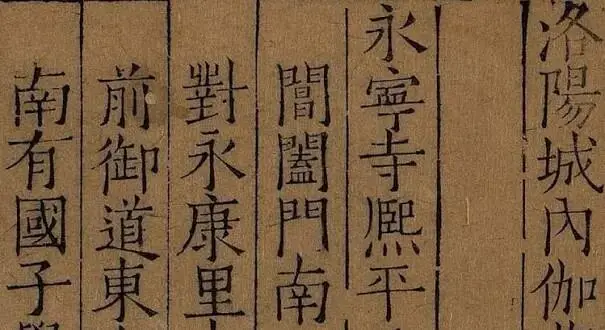
永宁寺是全书的第一条,也是最长的一条。熙平元年(516),灵太后胡氏在宫城门外建起一座九层木塔,《伽蓝记》说它“举高九十丈”,百里之外可见;《水经注》记的却是四十九丈。此后十八年,北魏末年的每一个转折都从这座塔前经过。最后一场大火烧了三个月,火进入地下,一年之后还有烟气。塔焚同年,迁都邺城,洛阳废弃。十三年后,杨衒之行役重过洛阳,在废墟上写下这本书。 - 杨衒之和郦道元都亲眼见过这座塔,报出的高度却相差近一倍。我们又该信谁的? - “舍宅为寺”通常被理解为一种功德行为。如果把北魏洛阳的建寺时间和缘起排成一张表,还能这样理解吗? - 知道结局的人写历史,每个细节都容易变成预兆。当时的洛阳人是怎么看的? - 未经焙烧的泥塑,因为大火才得以保存;已经湮灭的城市,因为覆灭才被写成书。毁灭与保存的这种关系,还能在哪些地方看到?
The Yongning Temple is the first entry in the book, and the longest. In the first year of the Xiping era (516), Empress Dowager Ling, née Hu, built a nine-storey wooden pagoda outside the gate of the palace city. The Record of the Buddhist Monasteries of Luoyang says it "rose ninety zhang high" and could be seen from a hundred li away; the Commentary on the Water Classic, however, records forty-nine zhang. For the next eighteen years, every turning point of the late Northern Wei passed before this pagoda. The final fire burned for three months; it went into the ground, and smoke was still rising a year later. In the same year the pagoda burned, the capital was moved to Ye and Luoyang was abandoned. Thirteen years later, Yang Xuanzhi passed through Luoyang again on official duty and wrote this book amid the ruins. - Yang Xuanzhi and Li Daoyuan both saw the pagoda with their own eyes, yet the heights they report differ by almost a factor of two. Whom should we believe? - "Donating one's home as a monastery" is usually understood as an act of merit. If we tabulate when and why the monasteries of Northern Wei Luoyang were founded, can we still understand it that way? - When history is written by those who know the ending, every detail easily becomes an omen. How did the people of Luoyang see things at the time? - Unfired clay statues survived because of the great fire; a city that has vanished was written into a book because of its destruction. Where else can we see this relationship between destruction and preservation?
The notes below are in Chinese, as the talks are.
预告Announcement
《洛阳伽蓝记》和永宁寺
2026-07-23 元子攸
永宁寺是全书的第一条,也是最长的一条。熙平元年(516),灵太后胡氏在宫城门外建起一座九层木塔,《伽蓝记》说它"举高九十丈",百里之外可见;《水经注》记的却是四十九丈。此后十八年,北魏末年的每一个转折都从这座塔前经过:建塔的太后被沉入黄河,反杀权臣的皇帝被锁在塔下的门楼里,最后一场大火烧了三个月,火进入地下,一年之后还有烟气。塔焚同年,迁都邺城,洛阳废弃。十三年后,杨衒之行役重过洛阳,在废墟上写下这本书。
杨衒之和郦道元都亲眼见过这座塔,报出的高度却相差近一倍。两个当代人对同一座建筑的记载为什么会分歧至此?我们又该信谁的?
"舍宅为寺"通常被理解为一种功德行为。如果把北魏洛阳的建寺时间和缘起排成一张表,还能这样理解吗?
知道结局的人写历史,每个细节都容易变成预兆——526年宝瓶坠地,534年塔焚,两件事之间有因果吗?当时的洛阳人是怎么看前一件事的?
未经焙烧的泥塑,因为大火才得以保存;已经湮灭的城市,因为覆灭才被写成书。毁灭与保存的这种关系,还能在哪些地方看到?