往期Archive · 2022
胡塞尔与现象学Husserl and Phenomenology
Husserl and Phenomenology胡塞尔与现象学
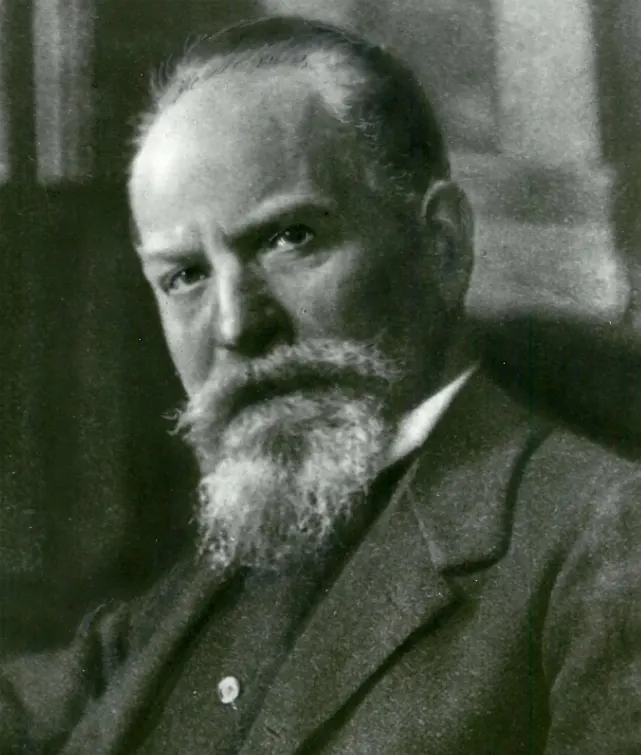
大家好,本周五将由John为大家分享他所学过的现象学。这个话题在很多方面值得深挖,让人着迷。我们将关注它的创始人埃德蒙·胡塞尔和他的学派发展动因。他和上周讨论的两位艺术家(马勒和卡夫卡)生活在同一时代,并且拥有相似的背景,所以我们会和上次分享联动。即使错过了上周分享,本次仍能在哲学领域有新的思考。 本次活动以英语进行。下面是一些启发性的问题: 1.你是否赞同我们应当回到“经验”中寻找逻辑规律? 2.你是否相信心理学是一套不连贯的理论?或者说,心理学它是否是“合理的”科学理论的一部分? 3.假设我们的意识是“有意的”,对于人工智能的反驳是“计算机没有任何形式(像人类一样)的‘意向性’”。这是对人工智能项目的一个令人信服的批判吗? 4.在上周所讨论的马勒和卡夫卡的想法中,哪些也适用于胡塞尔?胡塞尔的哲学理论对于其他艺术或者文学又造成何种启发?
Hello everyone. This Friday, John will share what he has learned about phenomenology. It is a fascinating topic that rewards deep exploration in many ways. We will focus on its founder, Edmund Husserl, and the forces that drove the development of his school. He lived at the same time as the two artists we discussed last week (Mahler and Kafka) and came from a similar background, so this session will link up with the last one. Even if you missed last week's session, you can still come away with new thoughts on philosophy. This session will be held in English. Here are some questions to get you thinking: 1. Do you agree that we should return to "experience" to find the laws of logic? 2. Do you believe psychology is an incoherent set of theories? Or, put another way, is psychology part of "sound" scientific theory? 3. Suppose our consciousness is "intentional"; the objection to artificial intelligence is that "computers have no form of 'intentionality' (as humans do)". Is this a convincing critique of the AI project? 4. Which of the ideas of Mahler and Kafka discussed last week also apply to Husserl? And what inspiration has Husserl's philosophy offered to other arts or literature?