往期Archive · 2023
斜阳与铁:昭和中期文学一瞥Setting Sun and Iron: A Glimpse of Mid-Shōwa Literature
Setting Sun and Iron: A Glimpse of Mid-Shōwa Literature斜阳与铁:昭和中期文学一瞥
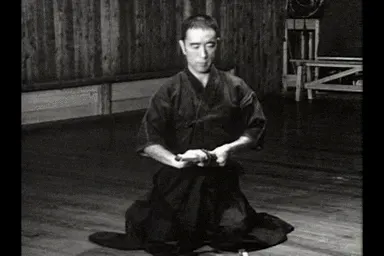
我把自我当做房屋时,我的肉体就仿佛围绕着这座房屋的果园…… 我开始拼命地耕耘这片果园,为我所用的就是太阳与铁。” ——《太阳与铁》,三岛由纪夫 二十世纪初,统称“华族”的日本旧贵族以哼歌般的轻快速度衰落了下去,直至二战结束两年后彻底被废除;牺牲封建贵族得来的天皇集权在军国主义中衰退,直至他用前所未有的几次亲声广播正式取消了自己的神格、从国民身份中剥离了神道信仰;而军国主义本身则屈服于美军的强大武力,使大日本帝国降格为了日本国。这一切事件和一百多年来进入的多种西方思想与文化一起,将一代人的精神从政教合一的“八纮一宇”沙文主义又一次导向了全新的方向;而在文化前线和经济顶点的文人自然受到了最大的冲击,连或隐或显地传承着的古典美学也慢慢失却。我们将对这悬日低垂时代的两人作短暂一瞥。太宰治:代表作《人间失格》。他是小村议员之家的六男,入赘的父亲于二十世纪刚得贵族地位,华族制度却快速消失了。颓废的那部分的作品中主角常自卑地无以存在,却也常以“粗鄙”贬低世人。38岁第五次自杀终获成功,遗留下未完成的喜剧《Goodbye》。 三岛由纪夫:成名作《假面的自白》。自我标榜为太宰的宿敌,无法忍受其“少年乡巴佬的野心”。他的祖母有德川家的遥远血统,曾在亲王宫中学习礼仪,自身作为长男一直处于其严密监护之下,亦在其坚持下自小就读贵族学习院。他的性取向仍有争议,但其对自身理想中健美肉体的狂热有目共睹。 希望各位在参与前能选择阅读这篇故友所作的的知乎短答: 日本文化中「侘寂、幽玄、物哀」三者有何区别? https://www.zhihu.com/question/24982618/answer/120953016
"When I regarded my self as a house, my body was like an orchard surrounding it... I set about cultivating this orchard with all my might, and what I used for it was the sun and iron." -- Mishima Yukio, Sun and Steel In the early twentieth century, Japan's old nobility, known collectively as the kazoku, declined with the light, carefree speed of a hummed tune, until they were abolished altogether two years after the end of the Second World War. The imperial centralisation won at the expense of the feudal nobility withered under militarism, until the emperor, in a few unprecedented broadcasts in his own voice, formally renounced his divinity and stripped Shinto belief from national identity. Militarism itself yielded to the overwhelming force of the US military, and the Empire of Great Japan was demoted to the State of Japan. All these events, together with the many Western ideas and cultures that had entered Japan over more than a century, once again turned the spirit of a generation away from the chauvinism of hakkō ichiu, with its union of state and religion, towards an entirely new direction. Writers on the cultural front line and at the economic peak naturally felt the greatest impact, and even the classical aesthetics that had been handed down, sometimes hidden and sometimes plain, gradually slipped away. We will take a brief look at two men of this age of the low-hanging sun. Dazai Osamu: best known for No Longer Human. He was the sixth son of a village assemblyman's family; his father, who had married into the family, gained noble status only at the start of the twentieth century, but the kazoku system soon disappeared. In his decadent works the protagonists often feel so inferior that they can barely exist, yet they also often disparage the world as "vulgar". At thirty-eight, on his fifth suicide attempt, he finally succeeded, leaving behind the unfinished comedy Goodbye. Mishima Yukio: made his name with Confessions of a Mask. He styled himself Dazai's archrival and could not stand Dazai's "country-bumpkin, adolescent ambition". His grandmother had a distant blood tie to the Tokugawa family and had learned etiquette at the household of an imperial prince; as the eldest son, Mishima was kept under her close watch, and at her insistence he attended the Gakushūin, the Peers' School, from childhood. His sexual orientation is still debated, but his fanatical devotion to his ideal of a strong, beautiful body is plain for all to see. Before attending, we hope you will read this short Zhihu answer by an old friend: What is the difference between wabi-sabi, yūgen and mono no aware in Japanese culture? https://www.zhihu.com/question/24982618/answer/120953016
The notes below are in Chinese, as the talks are.
预告Announcement
斜阳与铁:昭和中期文学一瞥
2023-08-28 yanxia
我把自我当做房屋时,我的肉体就仿佛围绕着这座房屋的果园……
我开始拼命地耕耘这片果园,为我所用的就是太阳与铁。”
——《太阳与铁》,三岛由纪夫
二十世纪初,统称“华族”的日本旧贵族以哼歌般的轻快速度衰落了下去,直至二战结束两年后彻底被废除;牺牲封建贵族得来的天皇集权在军国主义中衰退,直至他用前所未有的几次亲声广播正式取消了自己的神格、从国民身份中剥离了神道信仰;而军国主义本身则屈服于美军的强大武力,使大日本帝国降格为了日本国。这一切事件和一百多年来进入的多种西方思想与文化一起,将一代人的精神从政教合一的“八纮一宇”沙文主义又一次导向了全新的方向;而在文化前线和经济顶点的文人自然受到了最大的冲击,连或隐或显地传承着的古典美学也慢慢失却。我们将对这悬日低垂时代的两人作短暂一瞥。
太宰治:代表作《人间失格》。他是小村议员之家的六男,入赘的父亲于二十世纪刚得贵族地位,华族制度却快速消失了。颓废的那部分的作品中主角常自卑地无以存在,却也常以“粗鄙”贬低世人。38岁第五次自杀终获成功,遗留下未完成的喜剧《Goodbye》。
三岛由纪夫:成名作《假面的自白》。自我标榜为太宰的宿敌,无法忍受其“少年乡巴佬的野心”。他的祖母有德川家的遥远血统,曾在亲王宫中学习礼仪,自身作为长男一直处于其严密监护之下,亦在其坚持下自小就读贵族学习院。他的性取向仍有争议,但其对自身理想中健美肉体的狂热有目共睹。
希望各位在参与前能选择阅读这篇故友所作的的知乎短答:
日本文化中「侘寂、幽玄、物哀」三者有何区别?