往期Archive · 2023
当耶稣会遇见丰臣秀吉:日本的天主教世纪When the Jesuits Met Toyotomi Hideyoshi: Japan's Christian Century
When the Jesuits Met Toyotomi Hideyoshi: Japan's Christian Century当耶稣会遇见丰臣秀吉:日本的天主教世纪
1549年至1644年是日本吉利支丹(天主教徒)的世纪。而这段日本早期基督教历史和日本战国历史高度重合。耶稣会士带来了不光天主教信仰,还有西医和铁炮。日本战国时代西南诸多大名皈依了天主教,而丰臣秀吉的态度则经历了大逆转。天主教的传播也引发了后来的长崎教难、岛原之乱、德川锁国等等一系列对日本和东亚的历史产生了深远影响的事件。 1547年,西班牙耶稣会创始人方济各·沙勿略(Francis Xavier)在马六甲为一个叫 “安杰罗”(Anjiro)日本人施洗。正是这个我们所知的第一个日本基督徒把沙勿略带到了日本。 1578年,原本信仰禅宗的丰后国大名大友宗麟领洗成为天主教徒,并且在他的军队中以和欧洲十字军相同的十字架作为旗帜。也正是这一年,明智光秀的女儿玉子和天主教徒大名细川忠兴结婚。 细川玉子在1587年春天领洗成为天主教徒,同一年,大友宗麟去世,丰臣秀吉颁布“伴天连”(葡萄牙语Padre,即神父)禁令,驱逐天主教。 1596年,丰臣秀吉下令在京都和大坂逮捕了26名教士和信徒,并在翌年2月,以违背禁教令为名,将他们在长崎公开处死,掀开大迫害的序幕。 1600年,一艘荷兰商船登陆日本,船上的英国人威廉•亚当斯因给幕府造船有功,成为德川的外交顾问,并被封为武士,赐名“三浦按针”。亚当斯告诉德川,除了天主教外,基督教内还有新教,新教国家并不热衷传教,宗教和贸易也是脱钩的。而天主教国家往往通过传教来征服别国。 1637年,九州岛原地区的民众在天主教的旗帜下揭竿而起,发动江户时代最大规模的农民起义,最终被幕府镇压。 1644年,满清入关之年,在罗马加入耶稣会并获得神父职位的小西曼施欧(天主教大名小西行长的外孙)被捕殉教,自此日本再无神父,日本“天主教世纪”正式结束。同一时期,日本也开始了漫长的闭关锁国。 引起兴趣的分享点: 1. 在战国时代成为天主教徒并和耶稣会士及大名谈笑风生是怎样的体验? 2. 战国十字军是怎样的队伍?结局如何? 3. 在迫害酷刑下,日本战国时代的天主教徒都做出了哪些抉择?为什么有的人背教了而有的人没有? 准备和各位深入讨论的问题: 1. 天主教以及西班牙葡萄牙、新教以及荷兰等“南蛮”对日本战国历史产生了怎样的影响? 2. 长崎在日本历史上发挥的特殊作用? 3. 耶稣会的传教活动对东亚的历史产生了怎样的影响? 4. 天主教在中日韩的发展有何异同? 参考资料:雷立柏《日本教会史》笔记 五野井隆史《日本基督宗教史》 马丁斯科塞斯电影《沉默》 光荣出品游戏《太阁立志传5》 NHK纪录片《转动历史的时刻:战国十字军》
The years 1549 to 1644 were the century of Japan's Kirishitan, its Catholics. This early chapter of Christianity in Japan overlaps closely with the Sengoku period. The Jesuits brought not only the Catholic faith but also Western medicine and firearms. Many daimyō in south-western Japan converted to Catholicism during the Sengoku period, while Toyotomi Hideyoshi's attitude went through a dramatic reversal. The spread of Catholicism also set off a chain of events, including the Nagasaki persecutions, the Shimabara Rebellion and the Tokugawa policy of national seclusion, that had a profound effect on the history of Japan and East Asia. In 1547, Francis Xavier, the Spanish co-founder of the Society of Jesus, baptised a Japanese man named Anjirō in Malacca. It was this man, the first Japanese Christian we know of, who brought Xavier to Japan. In 1578, Ōtomo Sōrin, daimyō of Bungo Province and formerly a follower of Zen, was baptised a Catholic, and his army carried a cross as its banner, just like the European crusaders. In the same year, Akechi Mitsuhide's daughter Tama married the Catholic daimyō Hosokawa Tadaoki. Hosokawa Tama was baptised a Catholic in the spring of 1587. That same year Ōtomo Sōrin died, and Toyotomi Hideyoshi issued his edict against the bateren (from the Portuguese padre, "father", meaning priests), expelling the Catholic missionaries. In 1596, Hideyoshi ordered the arrest of twenty-six priests and believers in Kyoto and Osaka, and in February of the following year they were publicly executed in Nagasaki for violating the ban on the faith, marking the start of the great persecution. In 1600, a Dutch merchant ship reached Japan. On board was an Englishman, William Adams, who, having built ships for the shogunate, became a diplomatic adviser to Tokugawa, was made a samurai and given the name Miura Anjin. Adams told Tokugawa that besides Catholicism, Christianity also included Protestantism; Protestant countries were not keen on missionary work, and for them religion and trade were separate, whereas Catholic countries often used missionary work as a means of conquering other lands. In 1637, the people of Shimabara in Kyushu rose up under the banner of Catholicism in the largest peasant revolt of the Edo period, which was eventually crushed by the shogunate. In 1644, the year the Manchu Qing entered China through the passes, Konishi Mancio (grandson of the Catholic daimyō Konishi Yukinaga), who had joined the Jesuits and been ordained a priest in Rome, was arrested and martyred. From then on there were no more priests in Japan, and Japan's "Christian century" formally came to an end. In the same period, Japan also entered its long era of seclusion. Points of interest: 1. What was it like to become a Catholic in the Sengoku period and chat and joke with Jesuits and daimyō? 2. What kind of force were the Sengoku crusaders, and what became of them? 3. Under persecution and torture, what choices did Japan's Sengoku-era Catholics make? Why did some renounce their faith while others did not? Questions we'd like to discuss in depth: 1. What influence did Catholicism and Spain and Portugal, and Protestantism and the Netherlands, the so-called "southern barbarians", have on the history of Sengoku Japan? 2. What special role has Nagasaki played in Japanese history? 3. How did the Jesuits' missionary work affect the history of East Asia? 4. How did the development of Catholicism in China, Japan and Korea compare? References: notes on Leopold Leeb's History of the Church in Japan Gonoi Takashi, A History of Christianity in Japan Martin Scorsese's film Silence Koei's game Taikō Risshiden V NHK documentary The Moment History Turned: The Sengoku Crusaders
The notes below are in Chinese, as the talks are.
预告Announcement
当耶稣会遇见丰臣秀吉:日本的天主教世纪
2023-11-20 yanxia
1549年至1644年是日本吉利支丹(天主教徒)的世纪。而这段日本早期基督教历史和日本战国历史高度重合。耶稣会士带来了不光天主教信仰,还有西医和铁炮。日本战国时代西南诸多大名皈依了天主教,而丰臣秀吉的态度则经历了大逆转。天主教的传播也引发了后来的长崎教难、岛原之乱、德川锁国等等一系列对日本和东亚的历史产生了深远影响的事件。
1547年,西班牙耶稣会创始人方济各·沙勿略(Francis Xavier)在马六甲为一个叫 “安杰罗”(Anjiro)日本人施洗。正是这个我们所知的第一个日本基督徒把沙勿略带到了日本。
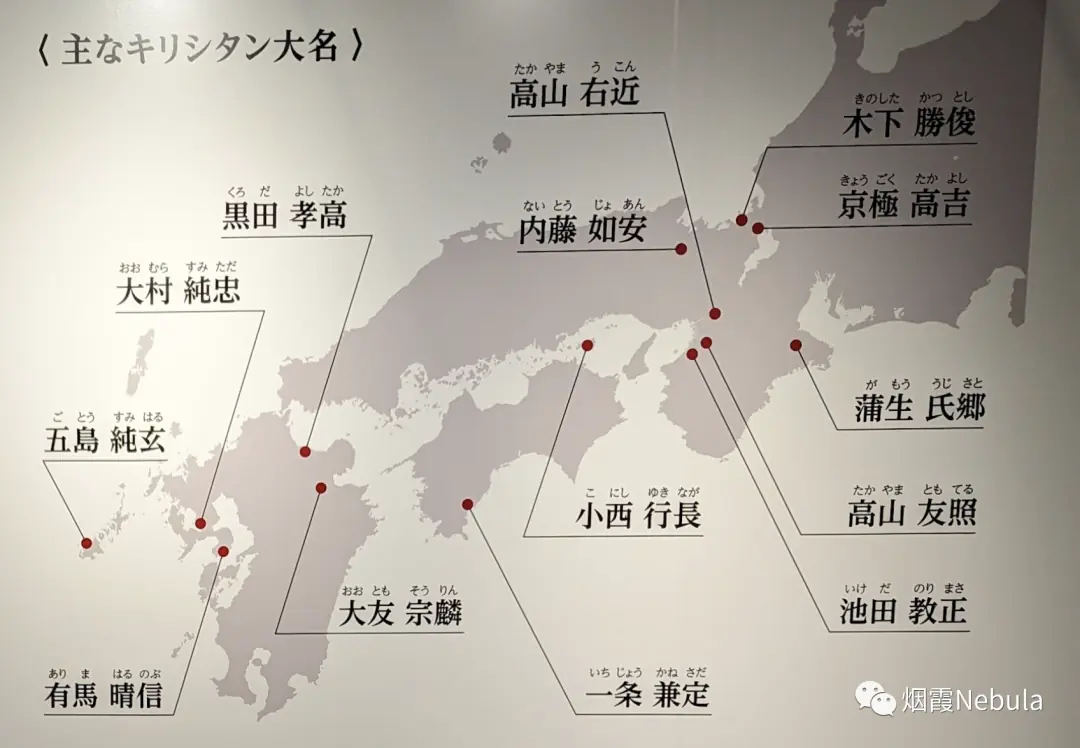
1578年,原本信仰禅宗的丰后国大名大友宗麟领洗成为天主教徒,并且在他的军队中以和欧洲十字军相同的十字架作为旗帜。也正是这一年,明智光秀的女儿玉子和天主教徒大名细川忠兴结婚。
细川玉子在1587年春天领洗成为天主教徒,同一年,大友宗麟去世,丰臣秀吉颁布“伴天连”(葡萄牙语Padre,即神父)禁令,驱逐天主教。
1596年,丰臣秀吉下令在京都和大坂逮捕了26名教士和信徒,并在翌年2月,以违背禁教令为名,将他们在长崎公开处死,掀开大迫害的序幕。
1600年,一艘荷兰商船登陆日本,船上的英国人威廉•亚当斯因给幕府造船有功,成为德川的外交顾问,并被封为武士,赐名“三浦按针”。亚当斯告诉德川,除了天主教外,基督教内还有新教,新教国家并不热衷传教,宗教和贸易也是脱钩的。而天主教国家往往通过传教来征服别国。
1637年,九州岛原地区的民众在天主教的旗帜下揭竿而起,发动江户时代最大规模的农民起义,最终被幕府镇压。
1644年,满清入关之年,在罗马加入耶稣会并获得神父职位的小西曼施欧(天主教大名小西行长的外孙)被捕殉教,自此日本再无神父,日本“天主教世纪”正式结束。同一时期,日本也开始了漫长的闭关锁国。
引起兴趣的分享点:
在战国时代成为天主教徒并和耶稣会士及大名谈笑风生是怎样的体验?
战国十字军是怎样的队伍?结局如何?
在迫害酷刑下,日本战国时代的天主教徒都做出了哪些抉择?为什么有的人背教了而有的人没有?
准备和各位深入讨论的问题:
天主教以及西班牙葡萄牙、新教以及荷兰等“南蛮”对日本战国历史产生了怎样的影响?
长崎在日本历史上发挥的特殊作用?
耶稣会的传教活动对东亚的历史产生了怎样的影响?
天主教在中日韩的发展有何异同?
参考资料:
雷立柏《日本教会史》笔记
五野井隆史《日本基督宗教史》
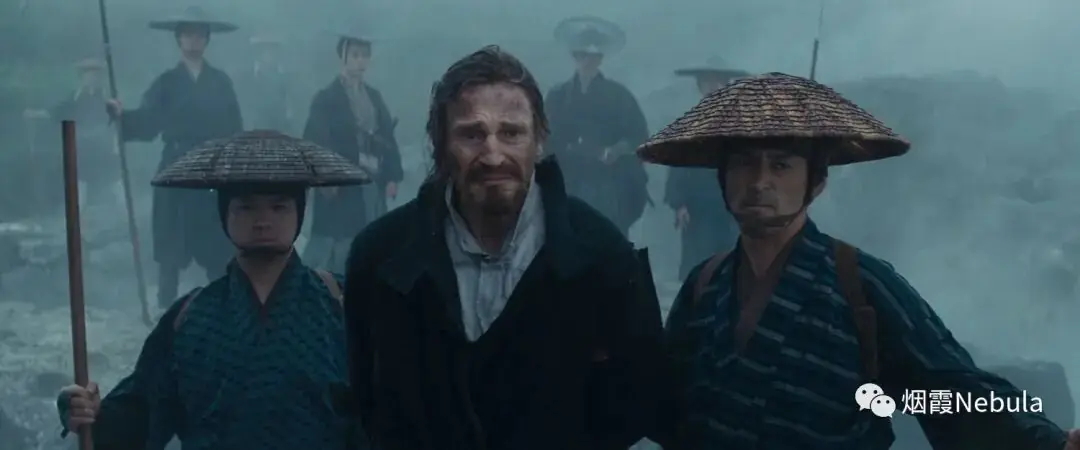
马丁斯科塞斯电影《沉默》
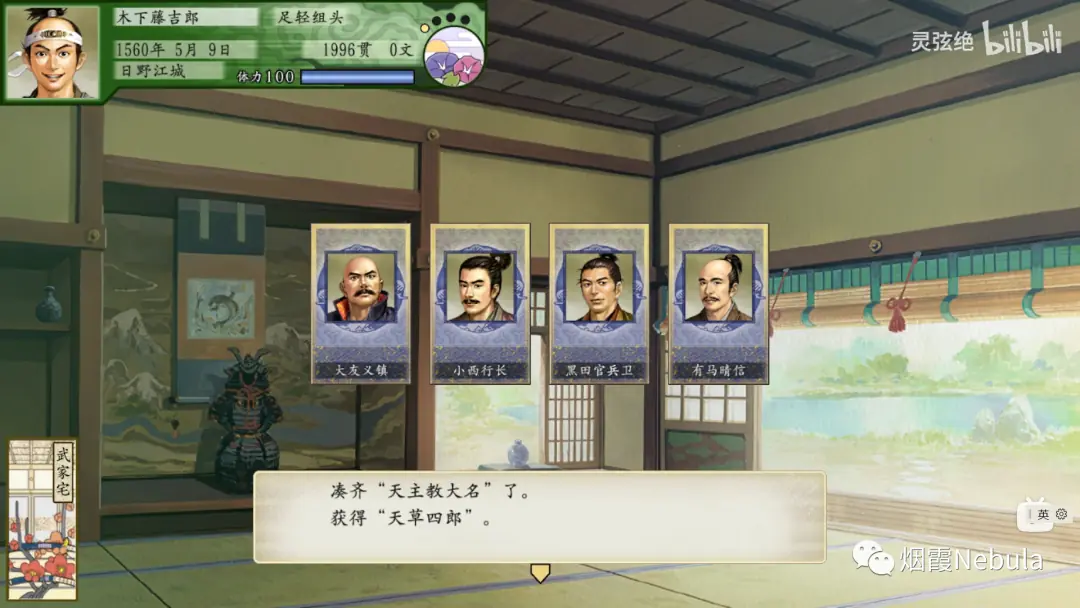
光荣出品游戏《太阁立志传5》