往期Archive · 2024
愿将大袖遮天日,莫使春花任晓风——《源氏物语》的世界The World of The Tale of Genji
The World of The Tale of Genji愿将大袖遮天日,莫使春花任晓风——《源氏物语》的世界
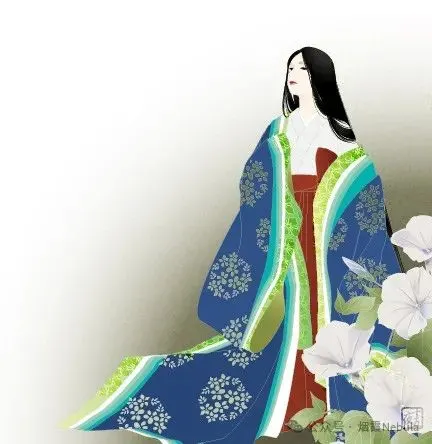
《源氏物语》是世界上最早的长篇写实小说,成书于日本风雅绚烂的平安时代中期,代表了日本古典文学的巅峰。直至近代对《源氏物語》的各种改编诠释也愈加丰富,其中包括今年的大河剧,以作者紫式部故事为蓝本的《致光之君》。 《源氏物语》是怎样一部作品呢?它奠定了日本“物哀”的美学,作者紫式部作为一条天皇中宫藤原彰子的宫廷女官,以慧眼妙笔娓娓写就,描绘了主人公光华公子源氏,贵为皇子却因相士一言被降为臣籍、赐姓源氏,与许多被作者以花比拟,如花朵般各形各色,命运也如花般飘零易落的女性的种种爱恋。物语共五十四帖,长达百万言,在和歌、汉文、白(居易)诗、雅乐,四时节令,鸿雁往来,月影暗香——衣香鬓影中呈现的是一个风流闲雅,绚烂夺目,却也颓废虚幻,悲哀零落的平安贵族世界。后人也能从荣华的侧影中,瞥见王朝鼎盛时的权势起落,政治更迭。 但更多的是情。以物寄情,以景起情,以诗言情,以歌喻情。物语中所讲述的感情,有不知所起的暧昧,也有克制婉约的怀念,有超越伦理的悲恋,也有机缘天定的遇合,有稍纵即逝的浅情,也有凄厉刻骨的深情。本次分享我们将主要讲述光源氏与数位女性的故事,一窥其中的时代细节,人情欲望,与美学哲学。 我们也将介绍对比丰子恺与林文月的两种主要中文译本,及《源氏物语》及对其代表的风雅的向往怎样滋养了世纪初的中国网络社区及创作。
The Tale of Genji is the world's earliest full-length realist novel. Written in the middle of Japan's elegant and splendid Heian period, it represents the pinnacle of classical Japanese literature. Right up to the present, adaptations and interpretations of The Tale of Genji have grown ever richer, including this year's Taiga drama Dear Radiant One, based on the story of its author, Murasaki Shikibu. What kind of work is The Tale of Genji? It laid the foundation of the Japanese aesthetic of mono no aware. Its author, Murasaki Shikibu, a lady-in-waiting to Fujiwara no Shōshi, empress to Emperor Ichijō, wrote it with a keen eye and a deft pen. It depicts the hero, the Shining Prince Genji, who, though born an imperial prince, was reduced to commoner status and given the surname Minamoto (Genji) on the word of a physiognomist, and his many loves with women whom the author likens to flowers: as varied as blossoms in form and colour, and with fates as fleeting and easily scattered as flowers. The tale runs to fifty-four chapters and about a million words. Through waka, classical Chinese, the poems of Bai Juyi, gagaku court music, the seasonal festivals, the exchange of letters, moonlight and subtle fragrances, amid rustling robes and elegant coiffures, it presents a Heian aristocratic world that is refined and leisurely, dazzlingly splendid, yet also decadent and illusory, sorrowful and fading. Readers can also glimpse, in the shadows of this glory, the rise and fall of power and the shifts of politics at the height of the court's prosperity. But above all it is about feeling. Feelings entrusted to objects, feelings stirred by scenery, feelings expressed in poems, feelings conveyed through songs. The emotions in the tale range from ambiguous attractions that arise from who knows where to restrained, understated longing; from tragic loves that transgress morality to encounters ordained by fate; from fleeting shallow affections to piercing, unforgettable passions. In this session we will mainly tell the stories of Genji and several women, to glimpse the details of the era, human desire, and its aesthetics and philosophy. We will also introduce and compare the two main Chinese translations, by Feng Zikai and Lin Wen-yueh, and look at how The Tale of Genji, and the longing for the elegance it represents, nourished Chinese online communities and creative work at the turn of the century.
The notes below are in Chinese, as the talks are.
预告Announcement
愿将大袖遮天日,莫使春花任晓风——《源氏物语》的世界
2024-02-06 Hikaru
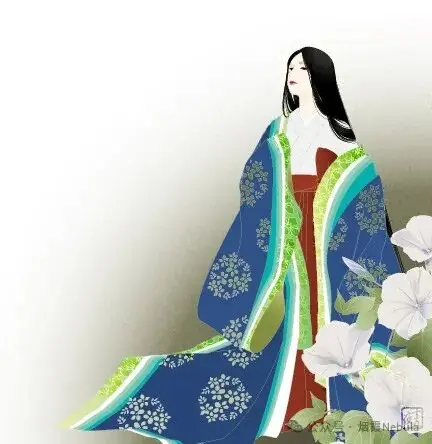
《源氏物语》是世界上最早的长篇写实小说,成书于日本风雅绚烂的平安时代中期,代表了日本古典文学的巅峰。直至近代对《源氏物語》的各种改编诠释也愈加丰富,其中包括今年的大河剧,以作者紫式部故事为蓝本的《致光之君》。
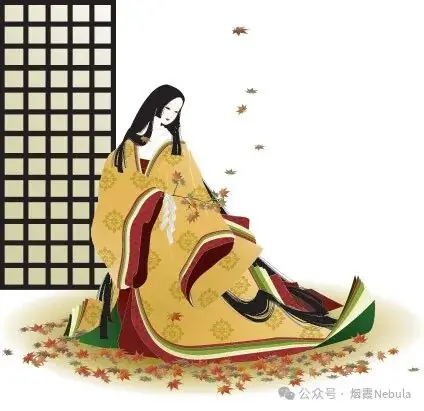
《源氏物语》是怎样一部作品呢?它奠定了日本“物哀”的美学,作者紫式部作为一条天皇中宫藤原彰子的宫廷女官,以慧眼妙笔娓娓写就,描绘了主人公光华公子源氏,贵为皇子却因相士一言被降为臣籍、赐姓源氏,与许多被作者以花比拟,如花朵般各形各色,命运也如花般飘零易落的女性的种种爱恋。物语共五十四帖,长达百万言,在和歌、汉文、白(居易)诗、雅乐,四时节令,鸿雁往来,月影暗香——衣香鬓影中呈现的是一个风流闲雅,绚烂夺目,却也颓废虚幻,悲哀零落的平安贵族世界。后人也能从荣华的侧影中,瞥见王朝鼎盛时的权势起落,政治更迭。
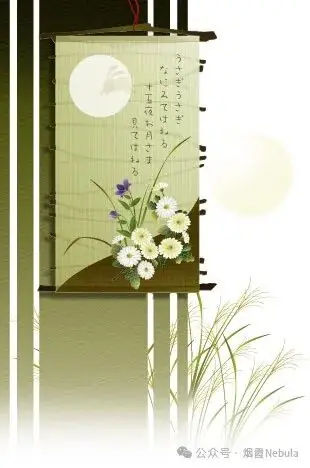
但更多的是情。以物寄情,以景起情,以诗言情,以歌喻情。物语中所讲述的感情,有不知所起的暧昧,也有克制婉约的怀念,有超越伦理的悲恋,也有机缘天定的遇合,有稍纵即逝的浅情,也有凄厉刻骨的深情。本次分享我们将主要讲述光源氏与数位女性的故事,一窥其中的时代细节,人情欲望,与美学哲学。
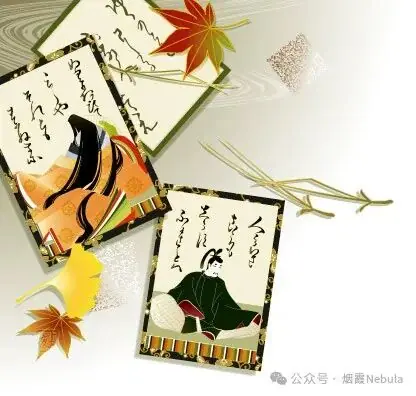
我们也将介绍对比丰子恺与林文月的两种主要中文译本,及《源氏物语》及对其代表的风雅的向往怎样滋养了世纪初的中国网络社区及创作。